Português
Impact & Methods Research Lab — UFRN
We produce rigorous evidence on public policy and economic phenomena, combining causal inference, applied econometrics and qualitative analysis. We also develop indicator tracking systems and analytical reports that transform data to support institutional decision-making.
We integrate causal inference, qualitative methods and advanced data analysis to produce robust research — and transform it into actionable knowledge for managers, policymakers and institutions.
Advanced econometrics and causal inference to identify causal relationships and measure the impact of public policies with scientific rigor. We work with large national administrative databases (RAIS, INEP, DATASUS, SNIS).
Interpretive approaches that capture mechanisms, contexts and perceptions that quantitative data cannot capture. They complement quantitative analysis and add depth to policy recommendations.
We transform raw data into strategic information. We develop interactive indicator dashboards, structured analytical reports and continuous monitoring systems for managers and institutions — delivering results that guide decisions in real time.
Our projects cover central themes for the economic development of Northeast Brazil and the country as a whole, with a focus on evidence applied to local realities.
Analysis of wage differentials, informality and the impacts of employment policies in Northeast Brazil.
Evaluation of educational policies, full-time schooling, UAB, PROUNI, FIES and their effects on social mobility and income.
Evaluation of the Family Health Program, impacts of the Mais Médicos Program and socioeconomic determinants of health in the semi-arid region.
Bolsa Família, Auxílio Brasil and other conditional transfers: effects on poverty and consumption.
Regional economic dynamics, income convergence and territorial development policies in Northeast Brazil.
Impact of constitutional transfers and revenue efficiency through NFC-e on the quality of municipal public services.
Development of continuous tracking systems for educational, health and management indicators — with interactive dashboards and structured analytical reports to support institutional decision-making.
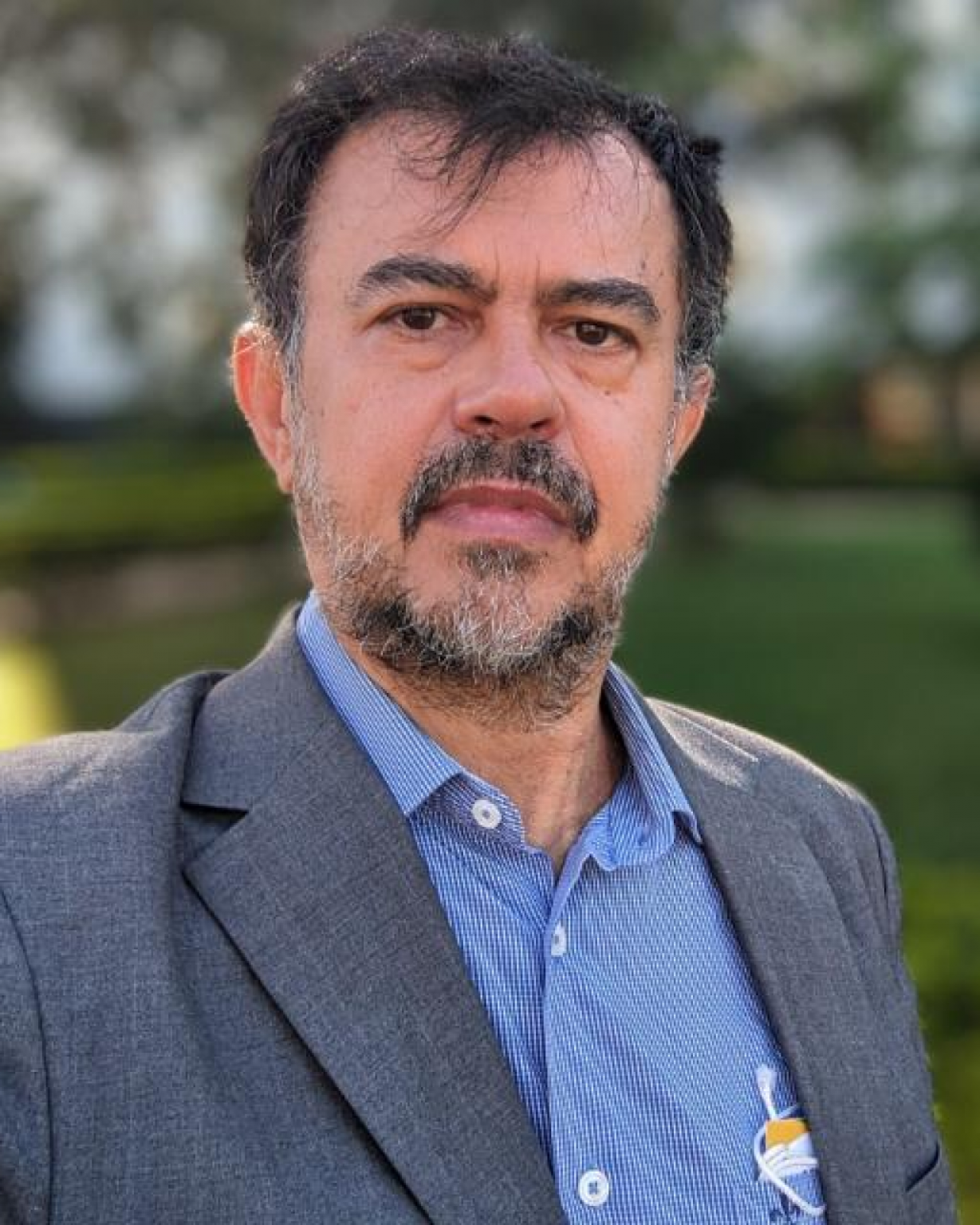
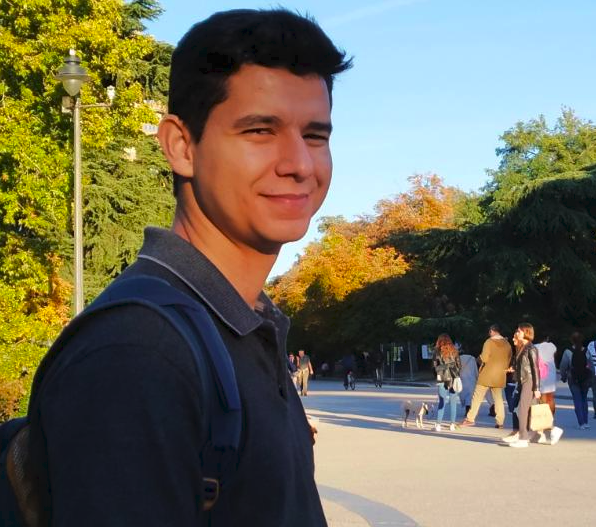
Full professors, associate researchers and PhD researchers committed to producing rigorous evidence for public policy.












Papers published in peer-reviewed journals, with evidence applied to education, health, public policy and organizational efficiency.
Impact evaluations, consulting for international organizations and applied projects for ministries, agencies and universities — research that informs real-world decisions.
Investigates, in a quasi-experimental framework, the impact of extreme climate events (heat, drought, flooding) on reading and writing literacy indicators. Analyzes the mediating role of school attendance and the moderating effect of school infrastructure, using Equidade.Info data across multiple waves (2023–2025). This project continues the 1st Equidade.Info Call, expanding the dataset with subsequent waves and incorporating new analyses from performance variables available in those waves.
Research that characterizes state models of full-time education in secondary schools by dosage (teaching hours), use (activities) and context (schools, managers and teachers); investigates mechanisms via logic models and theory of change; and evaluates the impacts of different models on student performance, incorporating access equity indicators.
Project in partnership with UFRN's Permanent Evaluation Commission (CPA). Tracks professional trajectories of graduates from on-campus undergraduate programs, cross-referencing institutional administrative data with RAIS and Federal Revenue records. Results are delivered through interactive dashboards and analytical reports to support institutional management and self-evaluation processes.
Coordination of the Socioeconomic Environment component in the development and monitoring of environmental programs for coastal erosion control and beach nourishment works at Ponta Negra Beach. Covers six programs: Environmental Education, Socioeconomic Indicator Monitoring, Worker Support, Social Assistance, Cultural Incentive and Strengthening, and Integrated Social Communication.
Development of a methodological framework for evaluating the social impact of Science, Technology and Innovation policies, including applicability testing of the methodology in SEPPE/MCTI pilot programs.
Tracking the professional trajectories of graduates from SEDIS/UFRN's distance education programs, cross-referencing institutional administrative data with RAIS and Federal Revenue records. Delivered through interactive dashboards and analytical reports to support distance education management at the university.
Econometric modeling of the determinants of dropout in distance undergraduate programs offered by SEDIS/UFRN. Uses institutional administrative data and machine learning techniques to identify risk profiles and inform retention policies in distance education.
Study using INEP and PNADC microdata on higher education access policies, with a survey of ~10,000 secondary school graduates and content analysis of state education plans.
Analysis of full-time education policy across three dimensions — dosage, use and context — estimating the probability of students and teachers being in full-time schools based on socioeconomic characteristics and school network. Includes regressions linking reading (comic strip test) and participation in full-time schooling.
Analysis of the influence of educational funding and school management on student outcome inequality. Used Fundeb data as an exogenous event to compare municipalities with significant positive and negative balances, linking per-student spending to reading outcomes (ROAR), cognitive tests (SMARTE) and decision-making (Balloon Test).
Development of a dynamic and network DEA model for Primary Health Care units, incorporating exogenous variables on municipalities' demographic and epidemiological profiles. Data: SISAB and APURASUS, 2017–2021.
Project "Impact Evaluation of Public Policies" funded by the Ministry of Citizenship, in collaboration with the Center for Economic and Socio-Environmental Research (NuPES) of the Faculty of Economics/UFMT, focusing on the analysis of operational costs of the Criança Feliz Program.
Evaluation of the National Tourism Development Program of Bahia (IDB contract) based on Relevance, Efficiency, Effectiveness and Sustainability criteria. Included a logic model, questionnaires with 30+ key stakeholders and field visits to interventions.
Impact evaluation of the internship program for high school students and graduates in Paraíba, with a literature review on determinants of educational performance and econometric analysis of the program's effects.
Evaluation of the National Strategy for Impact Investments and Businesses: international literature review, development of a logic model with indicators per action, and impact analysis of the 2019 Law for impact businesses in RN.
Impact evaluation consulting for the World Bank on a project to expand women's economic participation through productive inclusion in rural areas of Northeast Brazil.
International organizations, ministries, regulatory agencies and universities that have collaborated with LIMQ on research and impact evaluation projects.














We offer undergraduate research fellowships, research internships and positions for collaboration on projects with institutional partners.
Participate in research projects with direct supervision from PhD professors. Ideal for students of Economics, Statistics and related fields.
Positions for master's and doctoral students to work on projects with institutional partners, with a supplementary fellowship and co-authorship in publications.
Public organizations, NGOs and educational institutions may propose applied research projects in partnership with the laboratory.
Researchers, students and institutional partners are welcome.